Serengeti National Park
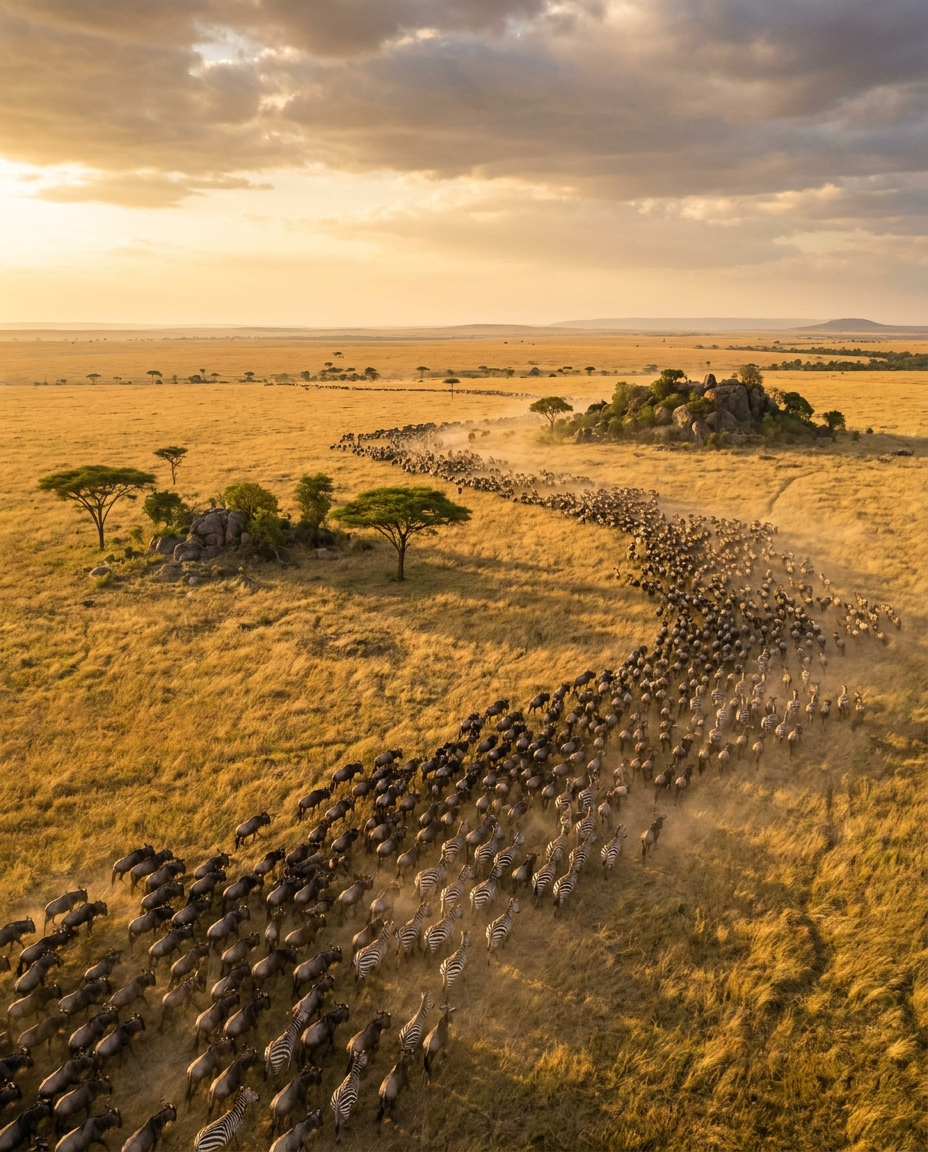
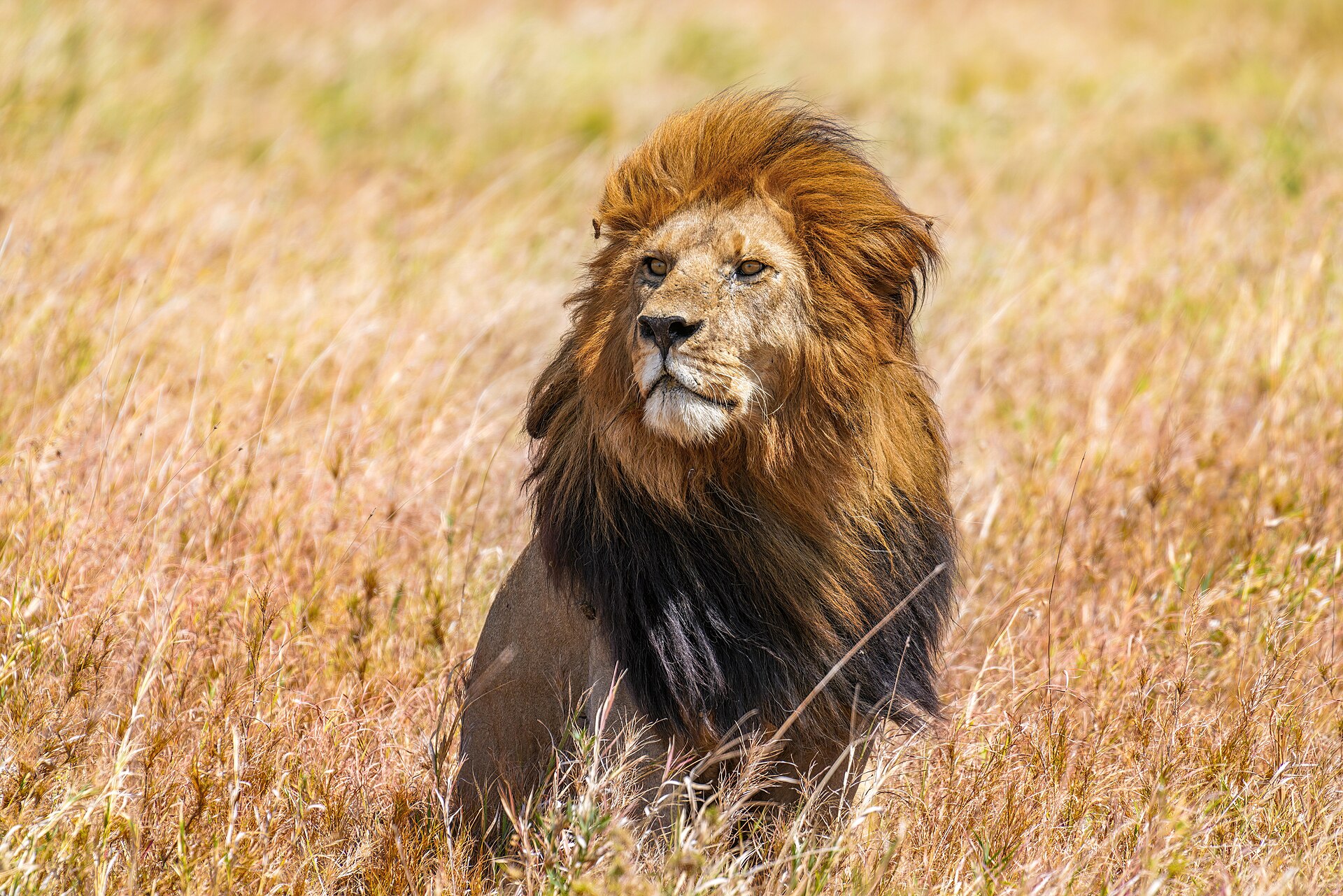
Serengeti National Park covers roughly 14,750 square kilometres of northern Tanzania, and its Maasai name — siringet, "the place where the land runs on forever" — is a fair description of the short-grass plains at its heart. The park is best known for the annual wildebeest migration, in which well over a million wildebeest and a few hundred thousand zebra move in a broad clockwise circuit through the ecosystem: calving on the southern plains around Ndutu between January and March, pushing north-west through the Grumeti in the middle of the year, and crossing the Mara River in the far north between roughly July and October. The migration is a moving target rather than a fixed event, so where you stay matters as much as when you come. Away from the herds, the Seronera valley in the centre holds resident lion, leopard and cheetah year-round, and the park's kopjes, riverine woodland and acacia savannah support a full complement of plains game and more than 500 recorded bird species.
Highlights
Best Time to Visit
Year-round destination. June-October for dry season and northern river crossings. January-March for calving season in the south. April-May is low season with rain but fewer tourists and lower prices.
Budget Guide
Park fees $70/adult/day (highest in Tanzania). Budget camping safaris from $150/day. Mid-range lodges $400-700/day. Luxury tented camps $800-2,500/day. Balloon safaris $500-600/person. Budget 3-4 nights minimum.
Getting There
Bush flights from Arusha (1.5hrs) to multiple Serengeti airstrips — Seronera (central), Kogatende (north), Ndutu (south). Road access from Arusha via Ngorongoro (8hrs) or from Mwanza (4hrs). Most luxury camps include airstrip transfers.
Explore Serengeti National Park
Properties in Serengeti National Park (11)
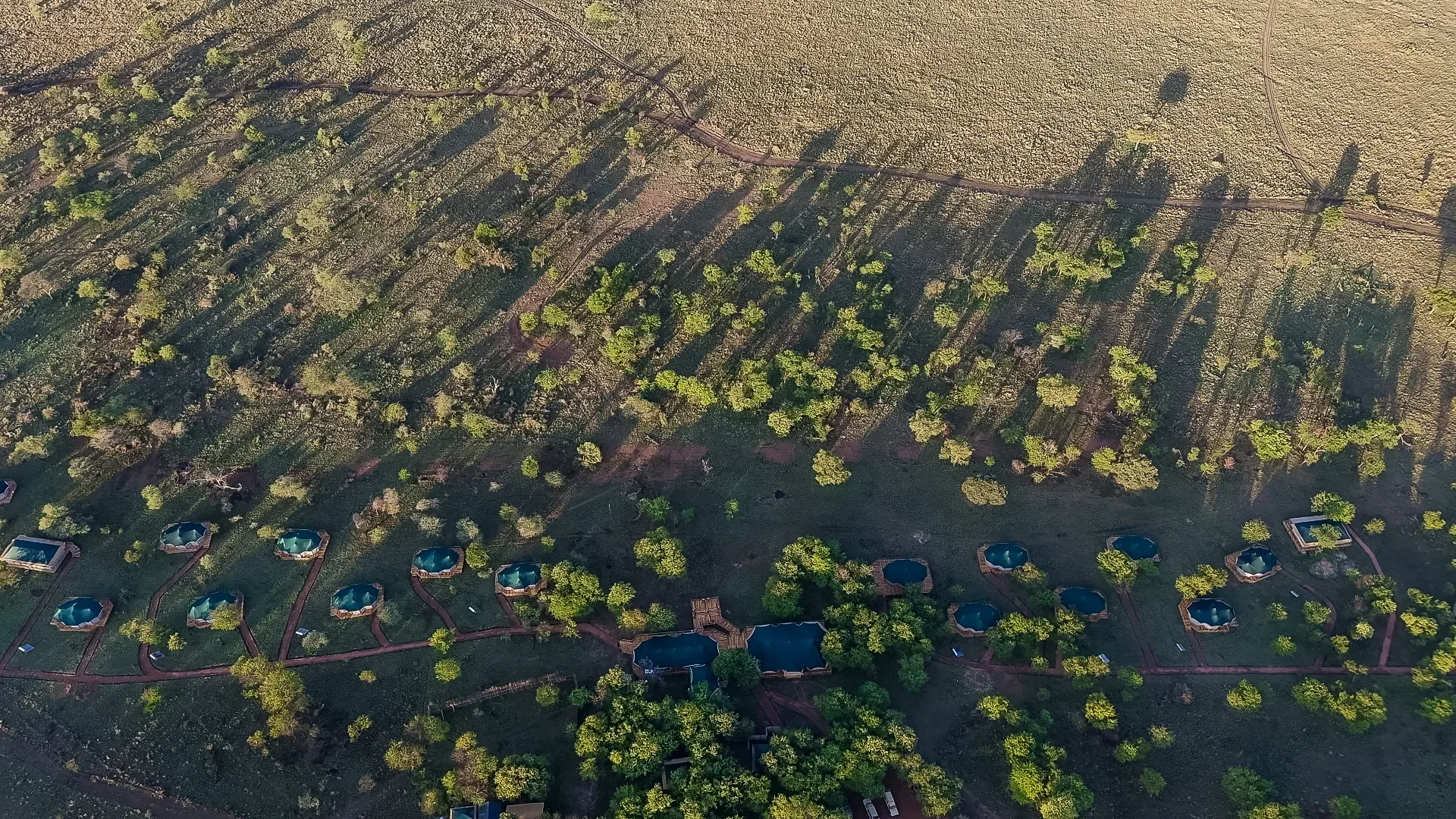 Safari Camp
Enkirari Wilderness Camp
Serengeti, Tanzania
by Acacia Collections
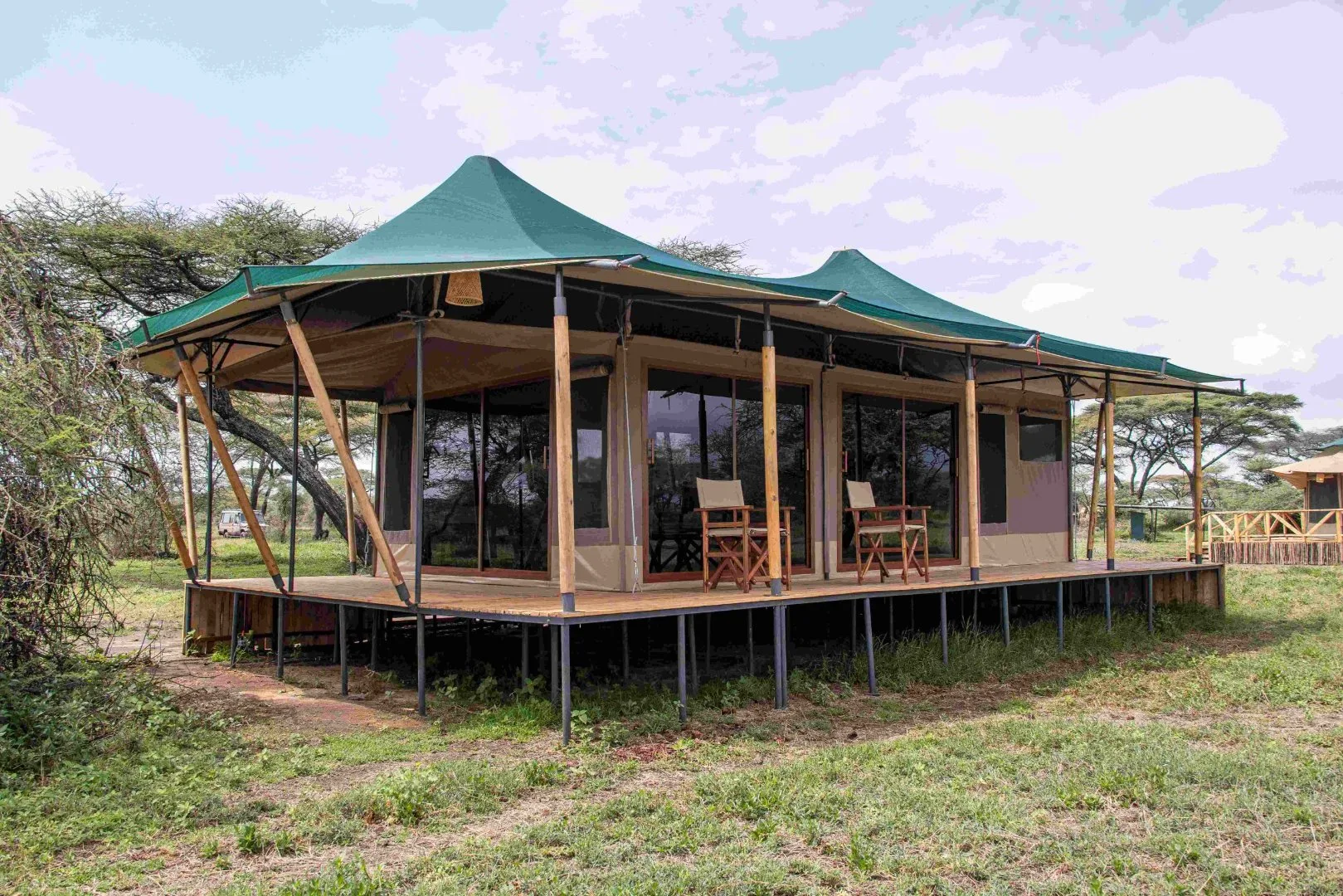 Safari Camp
Enkutoto Migration Camp
Serengeti, Tanzania
by Acacia Collections
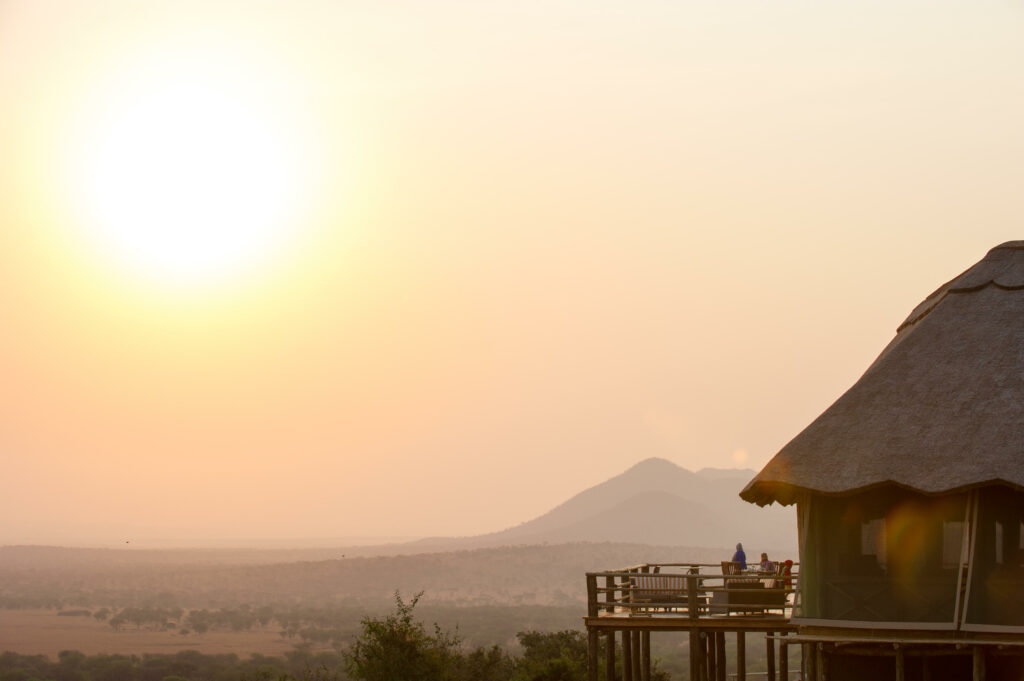 Lodge
LodgeKubu Kubu Tented Lodge
Serengeti, Tanzania
by Tanganyika Wilderness Camps
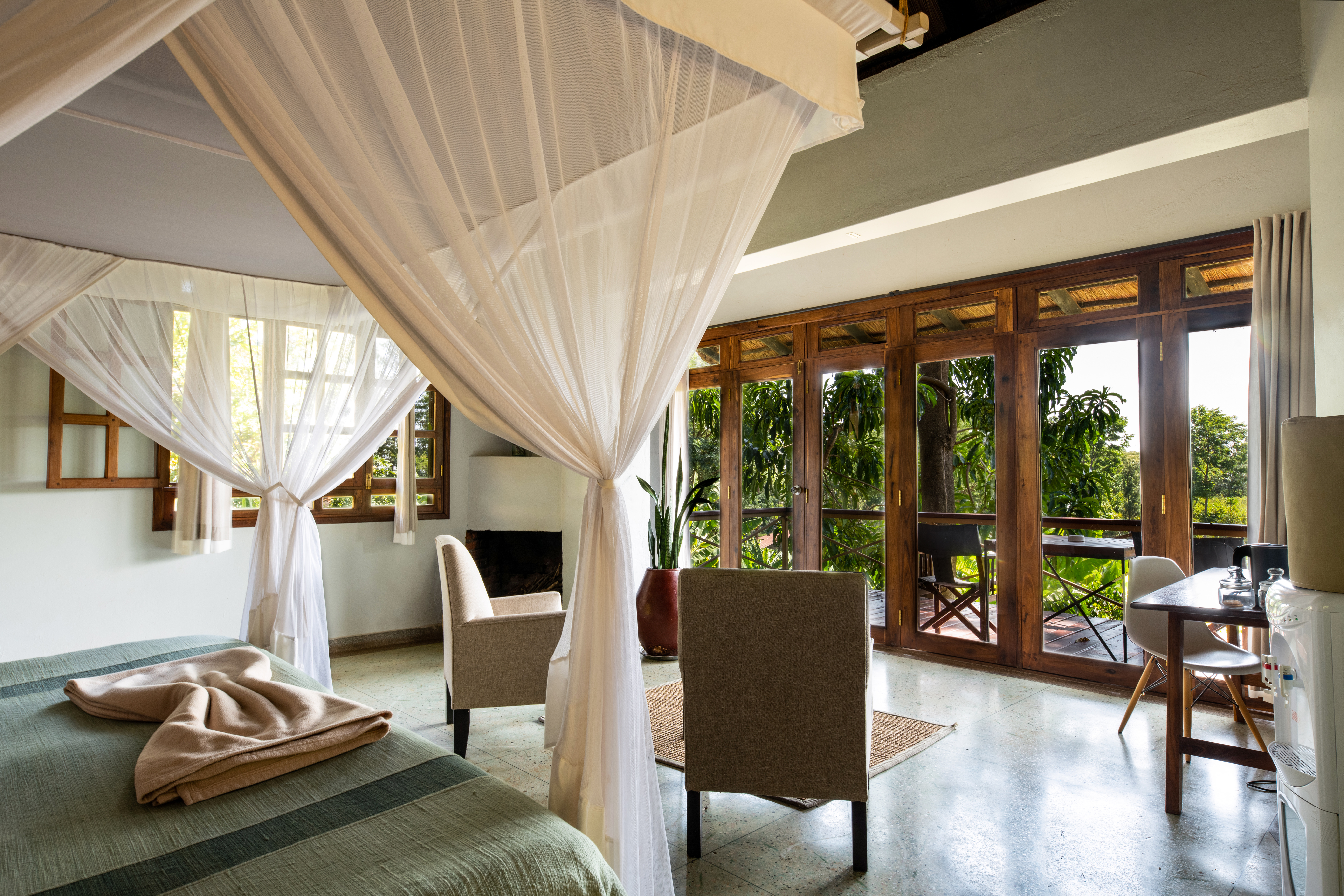 Lodge
LodgeLahia Tented Lodge
Serengeti, Tanzania
by Tanganyika Wilderness Camps
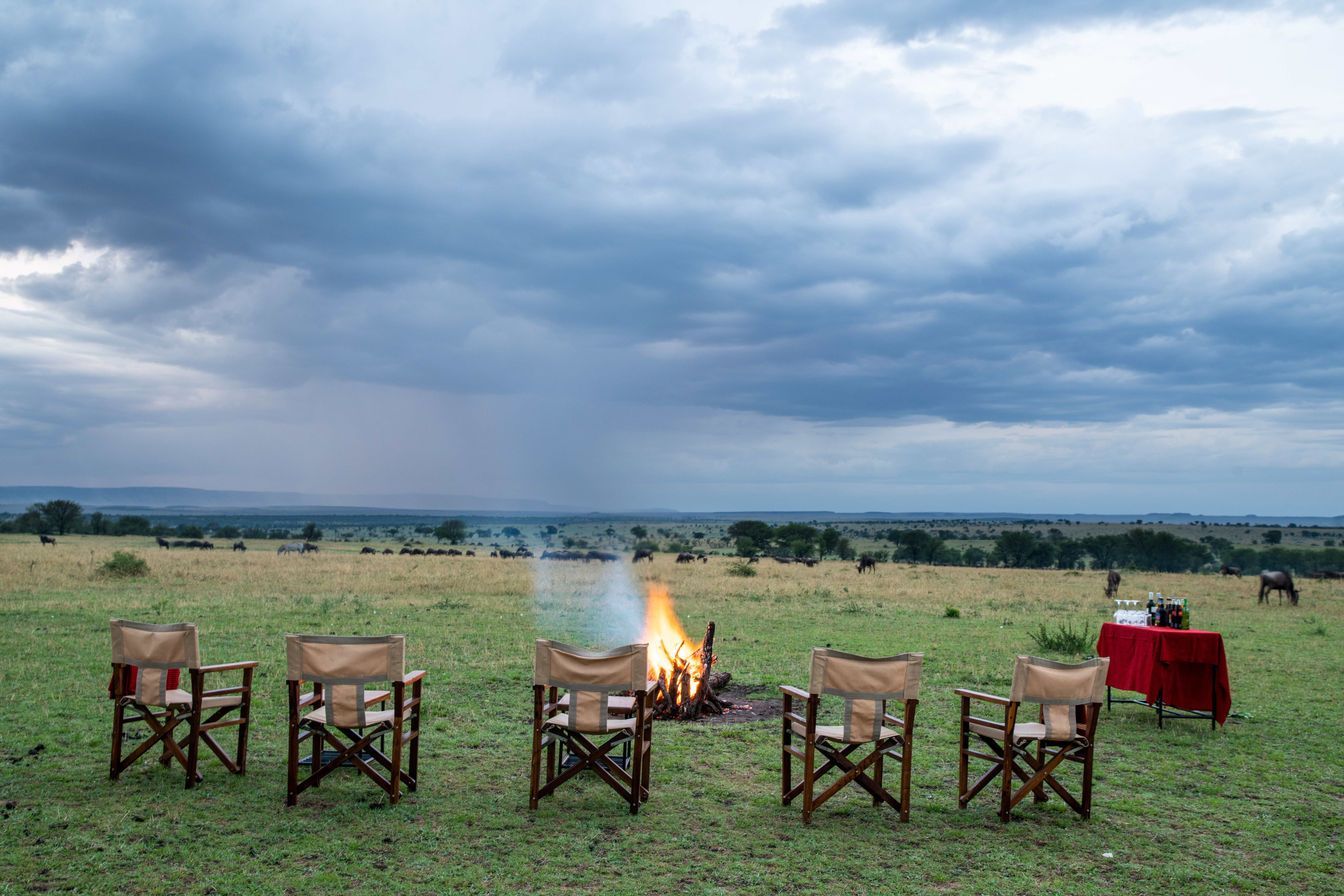 Safari Camp
Mara Kati Kati Tented Camp
Serengeti, Tanzania
by Tanganyika Wilderness Camps
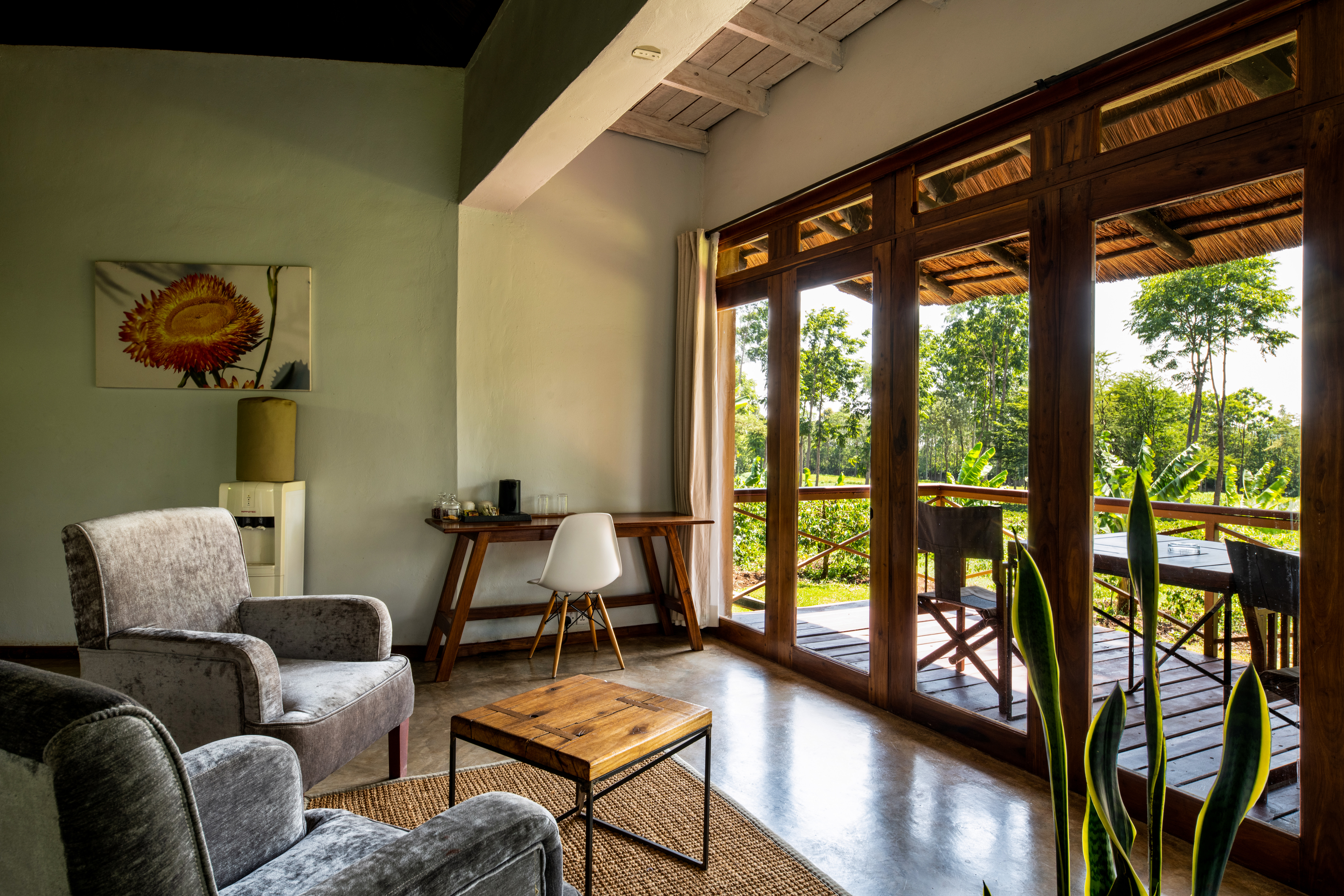 Lodge
LodgeMara Mara Tented Lodge
Serengeti, Tanzania
by Tanganyika Wilderness Camps
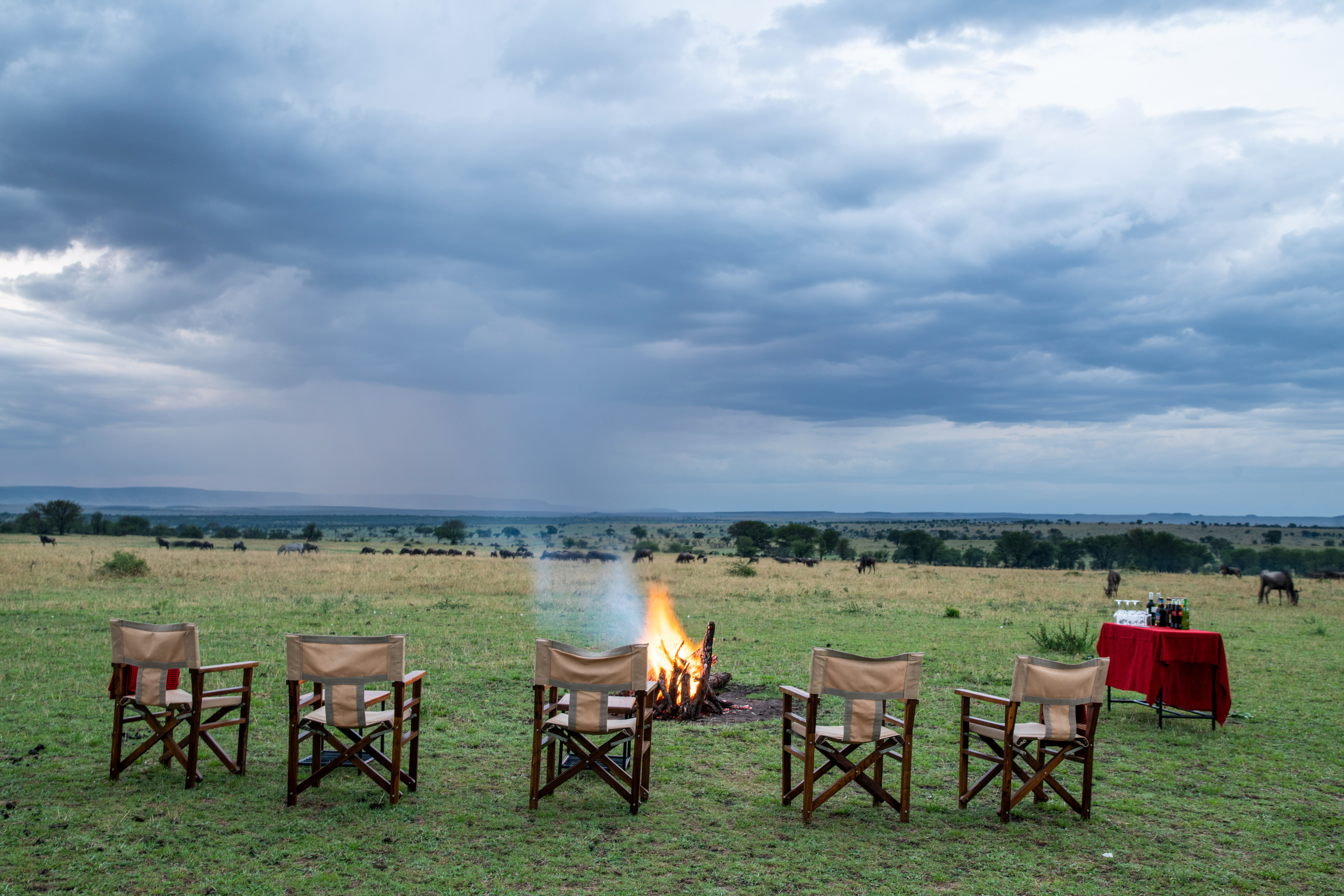 Safari Camp
Mara Under Canvas
Serengeti, Tanzania
by Tanganyika Wilderness Camps
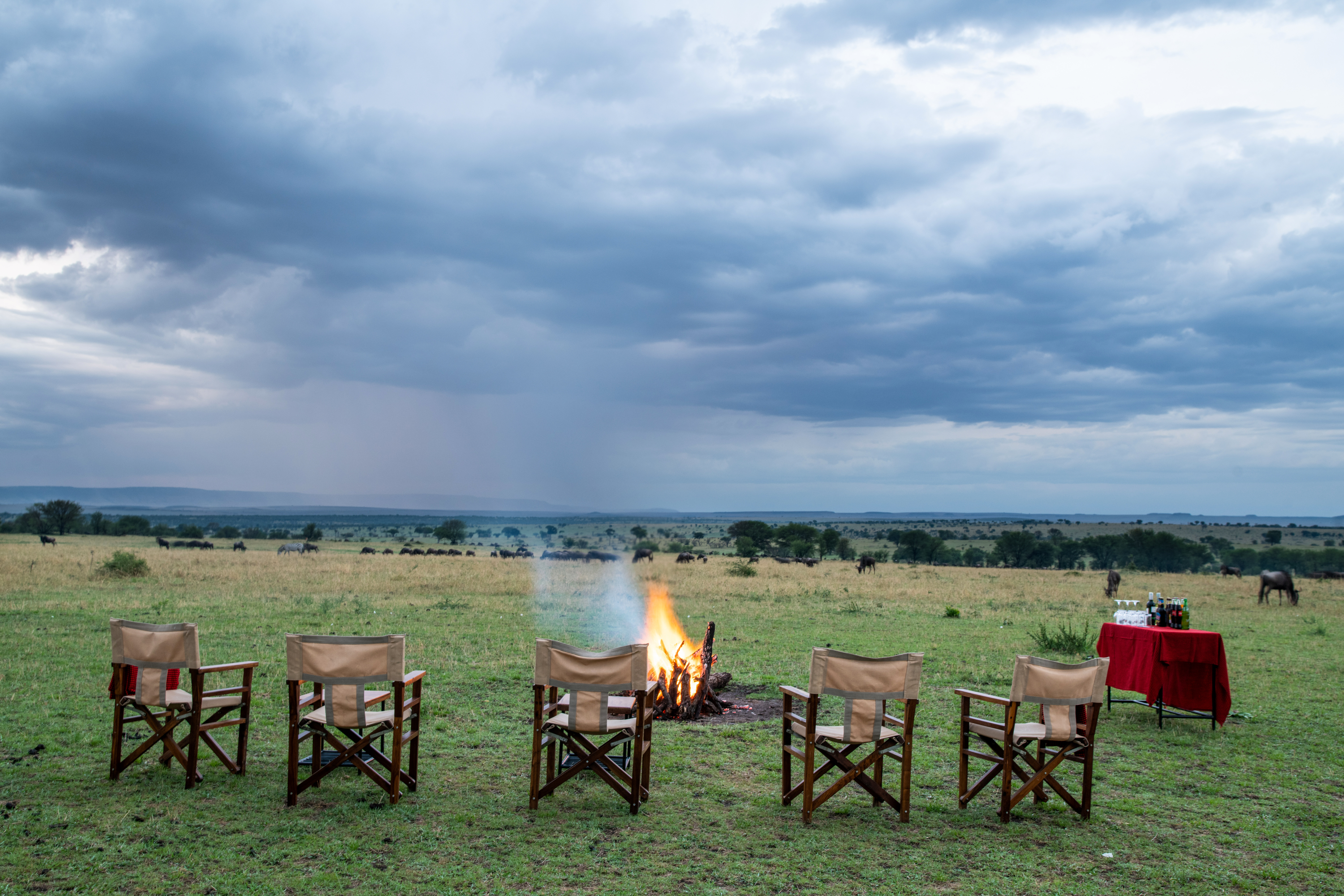 Safari Camp
Ndutu Kati Kati Tented Camp
Serengeti, Tanzania
by Tanganyika Wilderness Camps
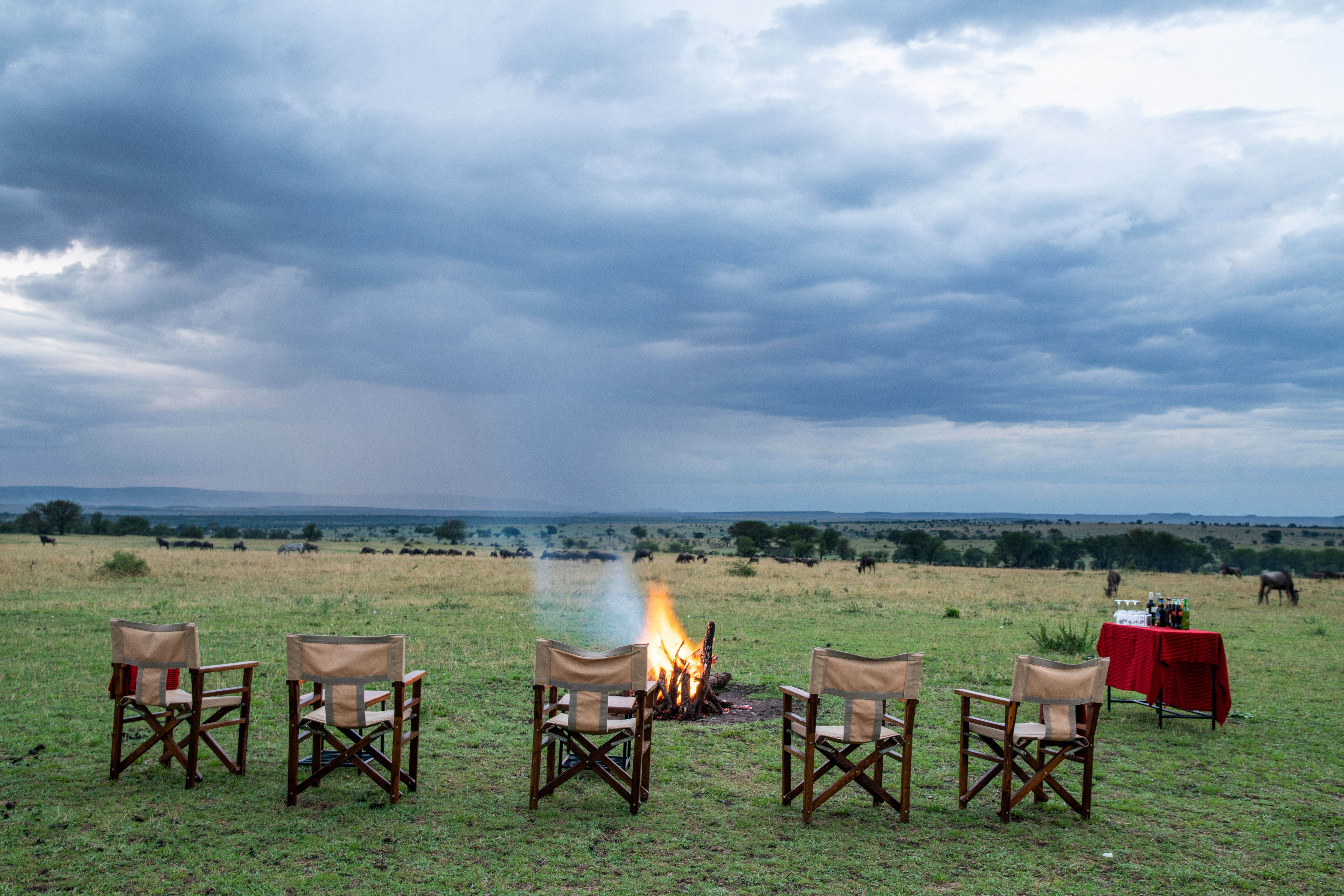 Safari Camp
Ndutu Under Canvas
Serengeti, Tanzania
by Tanganyika Wilderness Camps
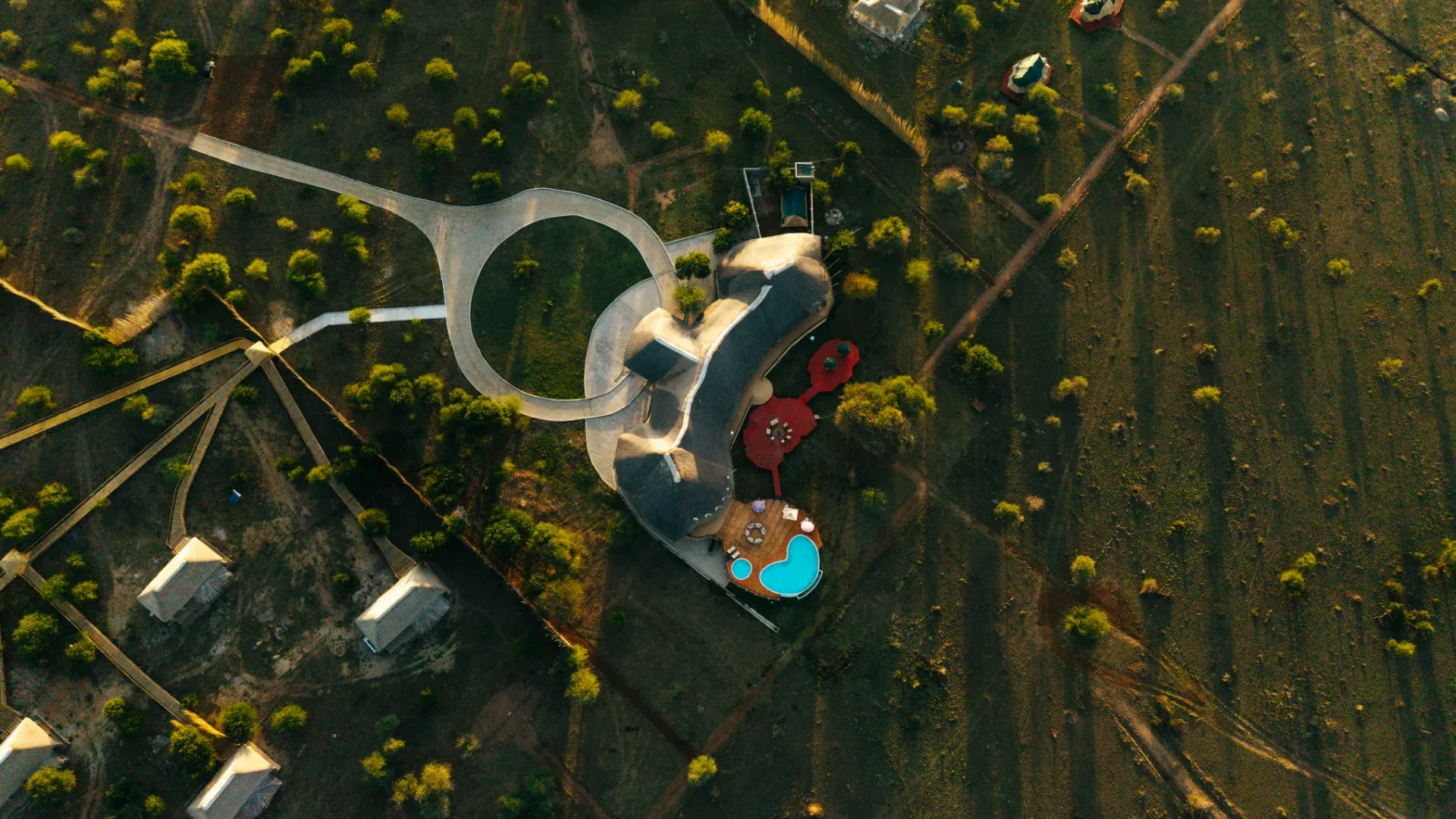 Safari Camp
Olkarien Eco Safari Camp
Serengeti, Tanzania
by Acacia Collections
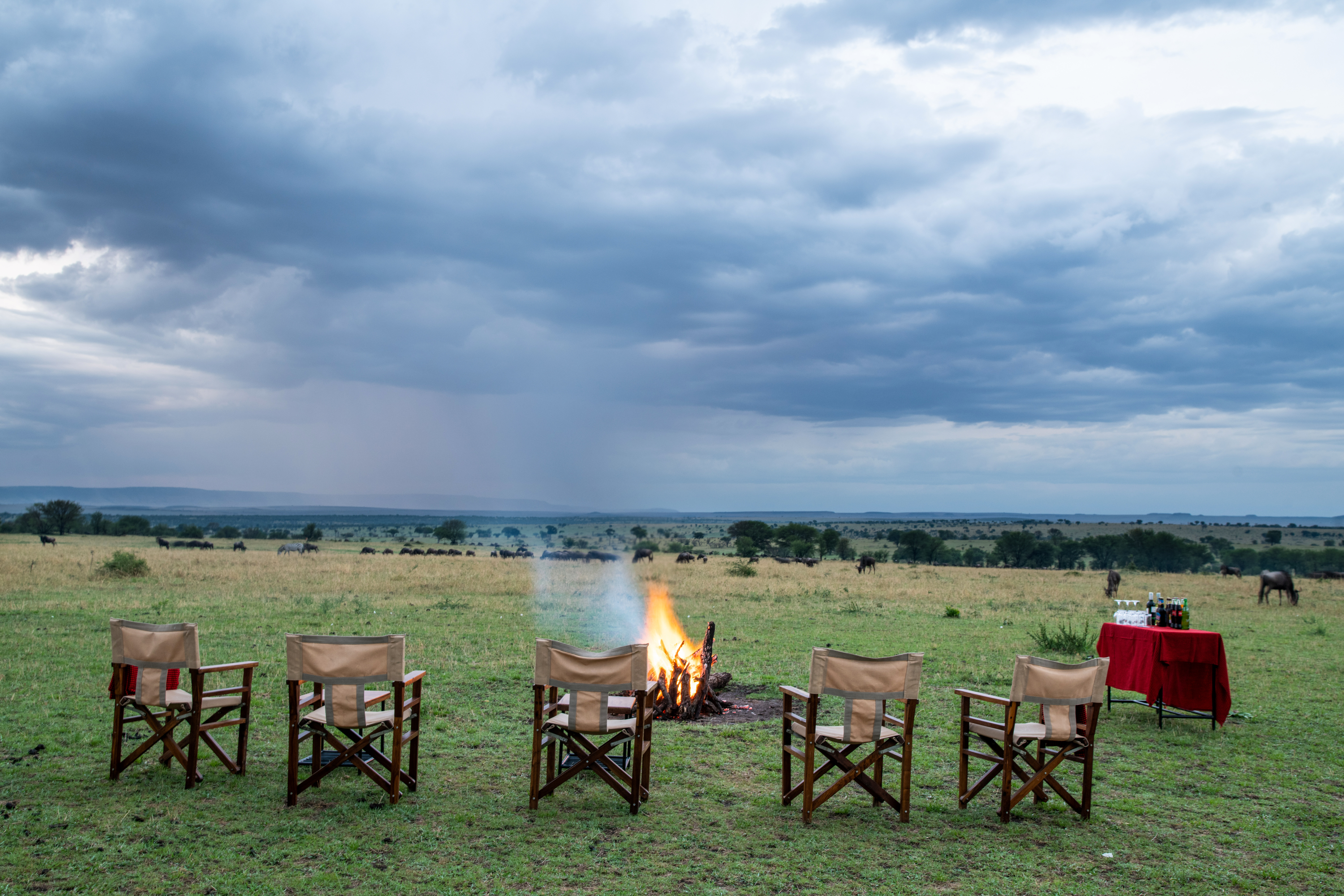 Safari Camp
Serengeti Kati Kati Tented Camp
Serengeti, Tanzania
by Tanganyika Wilderness Camps