Central Serengeti
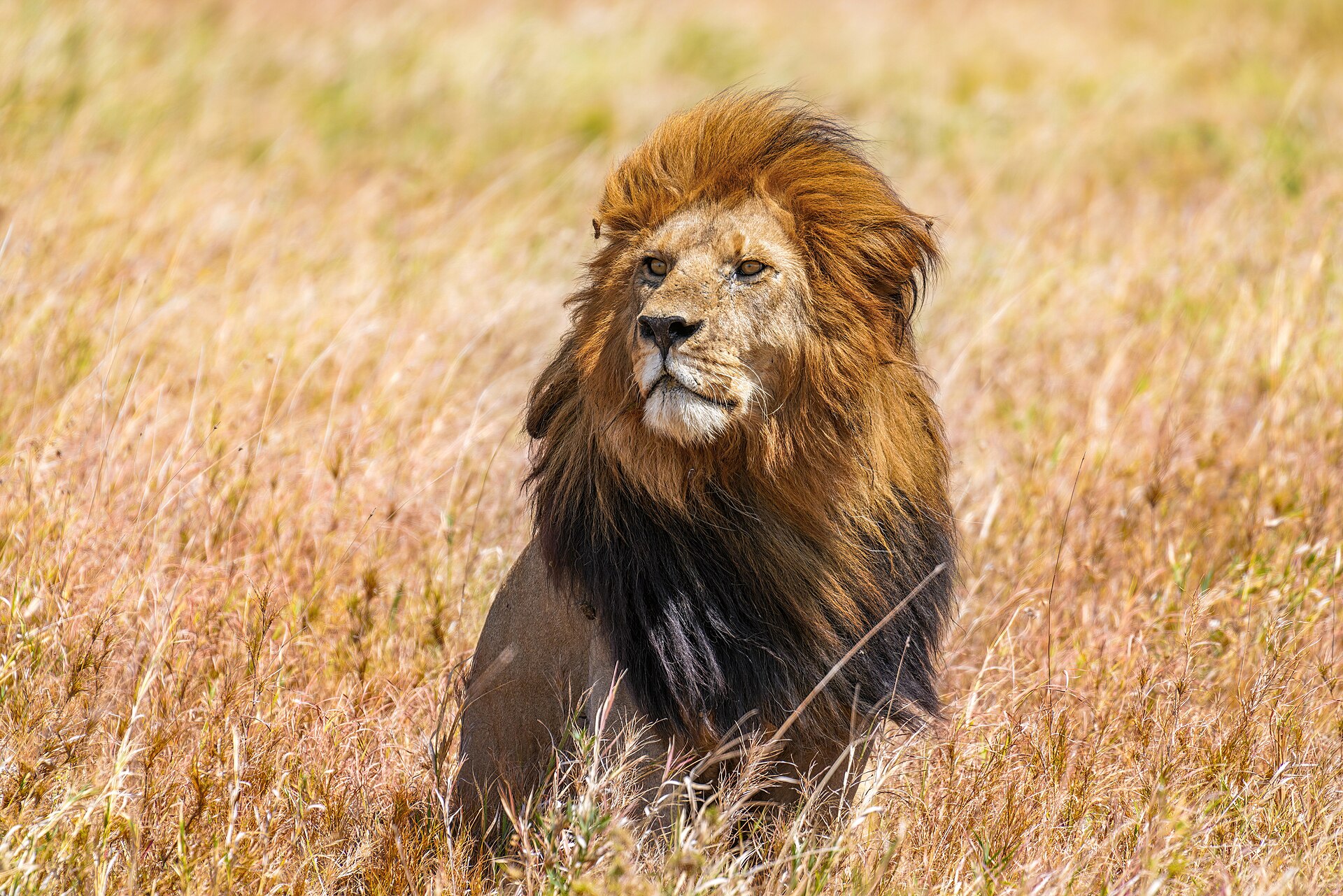
Central Serengeti, usually called the Seronera valley after the river that runs through it, is the part of the park that does not depend on the migration. The Seronera River holds water when the surrounding plains have dried out, and that reliability concentrates game here throughout the year: this is the area of the Serengeti most associated with resident lion prides, with leopard in the riverine acacia and sausage trees along the watercourse, and with cheetah hunting the open grassland either side of it. The valley sits at the junction of the park's main road network and has its own airstrip, which makes it the practical base for a first Serengeti visit or for a short stay that cannot be timed around the herds. Visitors trading certainty for exclusivity should know the trade-off: Seronera is the busiest sector of the park, and vehicle numbers at a good sighting reflect that.
Highlights
Best Time to Visit
The Central Serengeti (Seronera Valley) is a year-round destination. The resident wildlife — especially big cats around the Seronera River — is always present. **December to March** is calving season when the herds are on the southern plains nearby. **June to October** is the dry season with excellent predator sightings as animals concentrate near water. The great migration passes through in **April-May** (heading north) and again in **November** (returning south).
Budget Guide
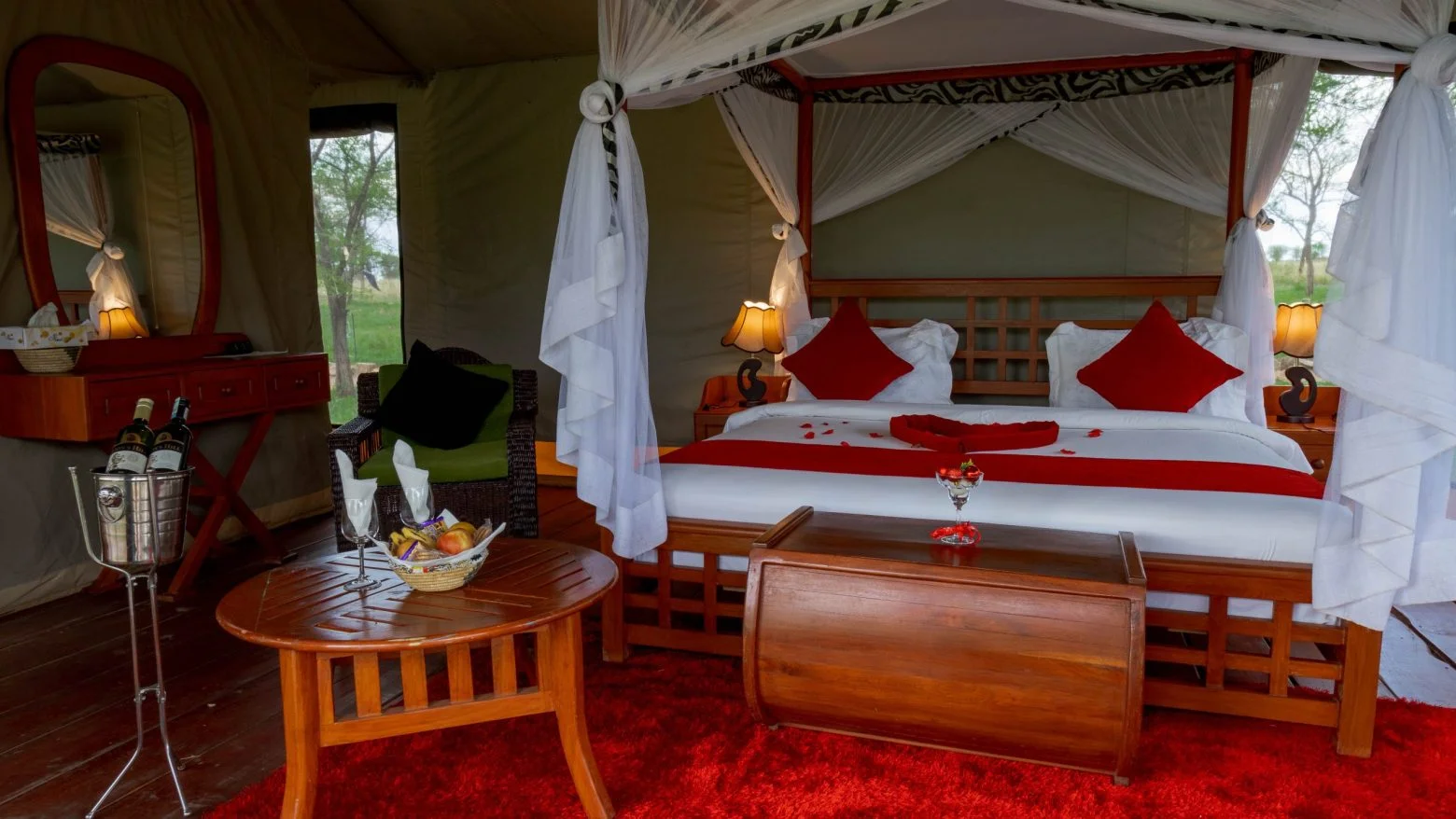
Seronera public campsites $30/night. Mid-range lodges (Serengeti Serena, Sopa) $200-450/night. Luxury tented camps (Four Seasons, Singita) $800-3,000+/night. Park fees $60/adult/day. Game drive vehicles $150-250/day.
Getting There
Fly into Seronera Airstrip from Arusha (1.5 hours) or from the Ngorongoro Conservation Area (45 minutes). Multiple daily charter flights operate during peak season. By road from Arusha via Ngorongoro gate: 8-9 hours. Most visitors arrive overland as part of a Northern Circuit safari itinerary.