Ngorongoro Crater
Destination

Ngorongoro Crater

UNESCO World Heritage Site with incredible wildlife density

Highlights

World's largest intact volcanic caldera
Big Five including endangered black rhino
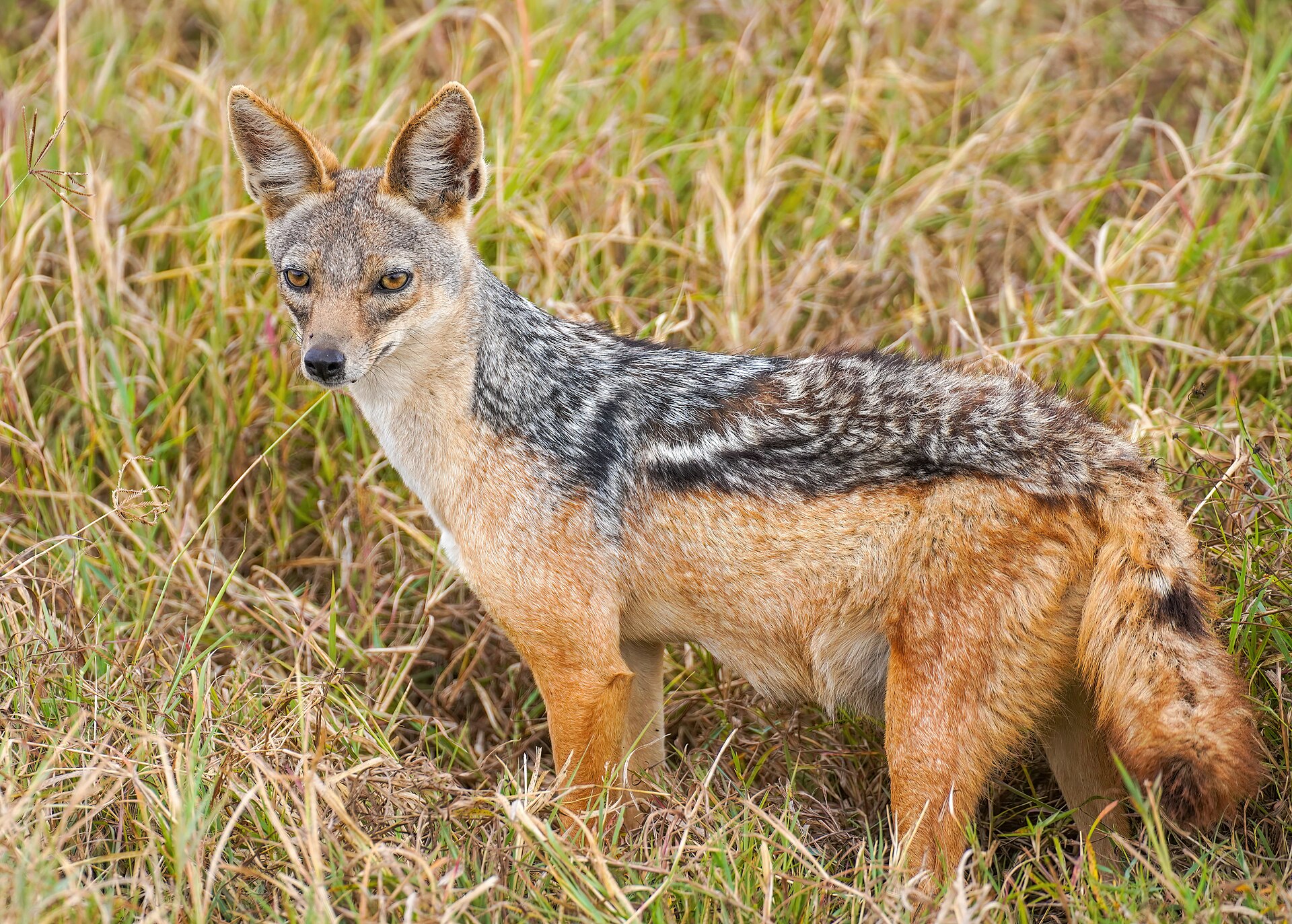
Dense wildlife population on the 260km² crater floor
Maasai communities living alongside wildlife
Olduvai Gorge — cradle of human evolution
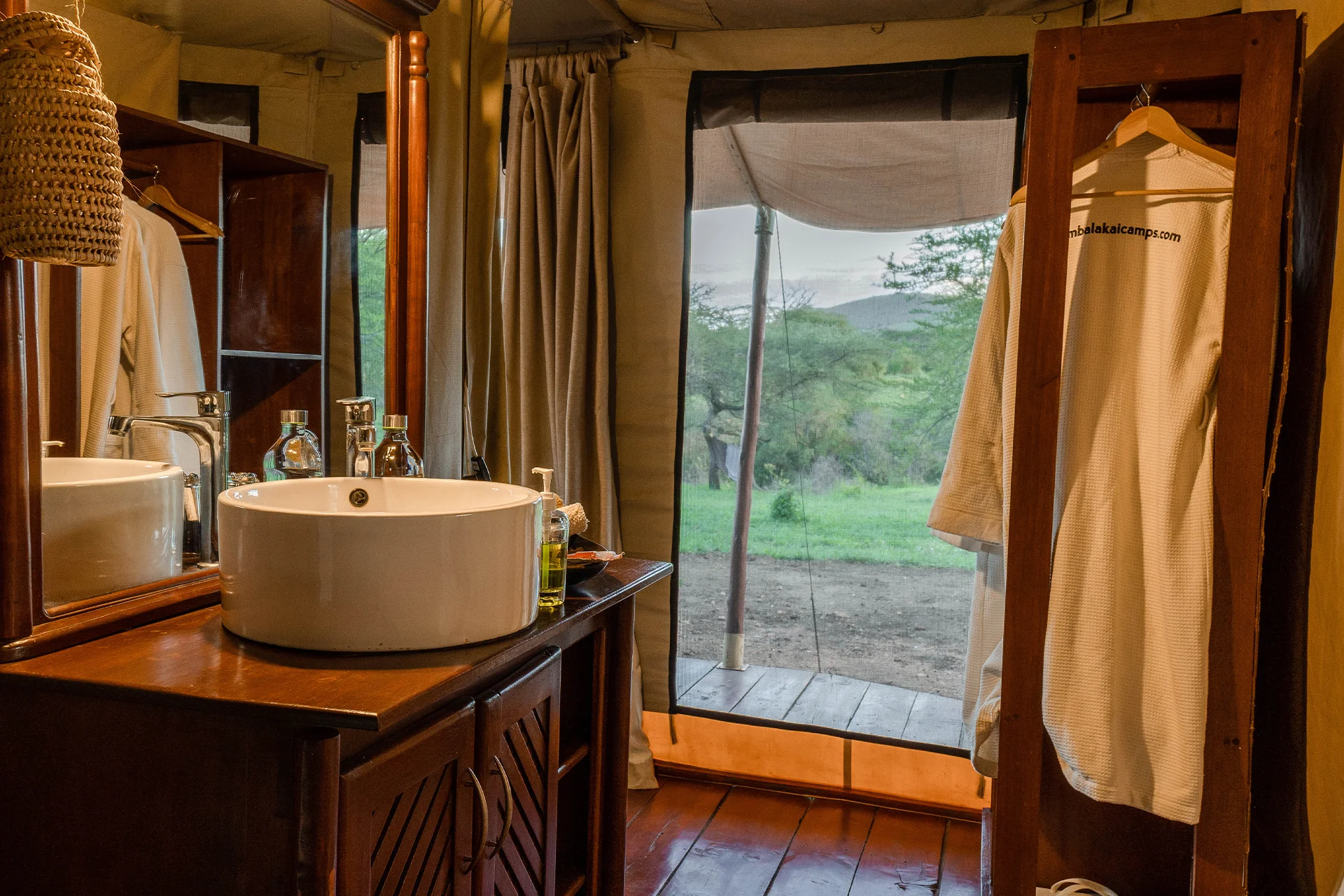
Stunning crater rim lodges with panoramic views

Best Time to Visit

The Ngorongoro Crater floor supports wildlife year-round thanks to permanent water sources. **June to October** (dry season) offers the clearest skies and easiest game viewing. **December to March** is calving season — excellent for predator action as wildebeest and zebra give birth on the crater floor. **November** and **April-May** are shoulder months with fewer crowds. The crater rim can be cold year-round, dropping to near freezing at night.

Budget Guide

Crater entry fee $70/adult + vehicle fee $295/vehicle. Rim lodges (Ngorongoro Serena, Crater Lodge) $400-3,500/night. Simba Campsite $30/night. Budget guesthouses in Karatu $30-80/night. Half-day crater tour $150-250/person. Full-day game drive recommended.

Getting There

The Ngorongoro Conservation Area is 180km (3 hours) from Arusha by road via Karatu. Enter through the Lodoare Gate. Most visitors arrive as part of a Northern Circuit safari from Arusha. The nearest airstrip is Lake Manyara Airstrip (45 minutes) with connections to Arusha, Serengeti, and Zanzibar. The crater rim sits at 2,235m altitude.