Mount Kilimanjaro
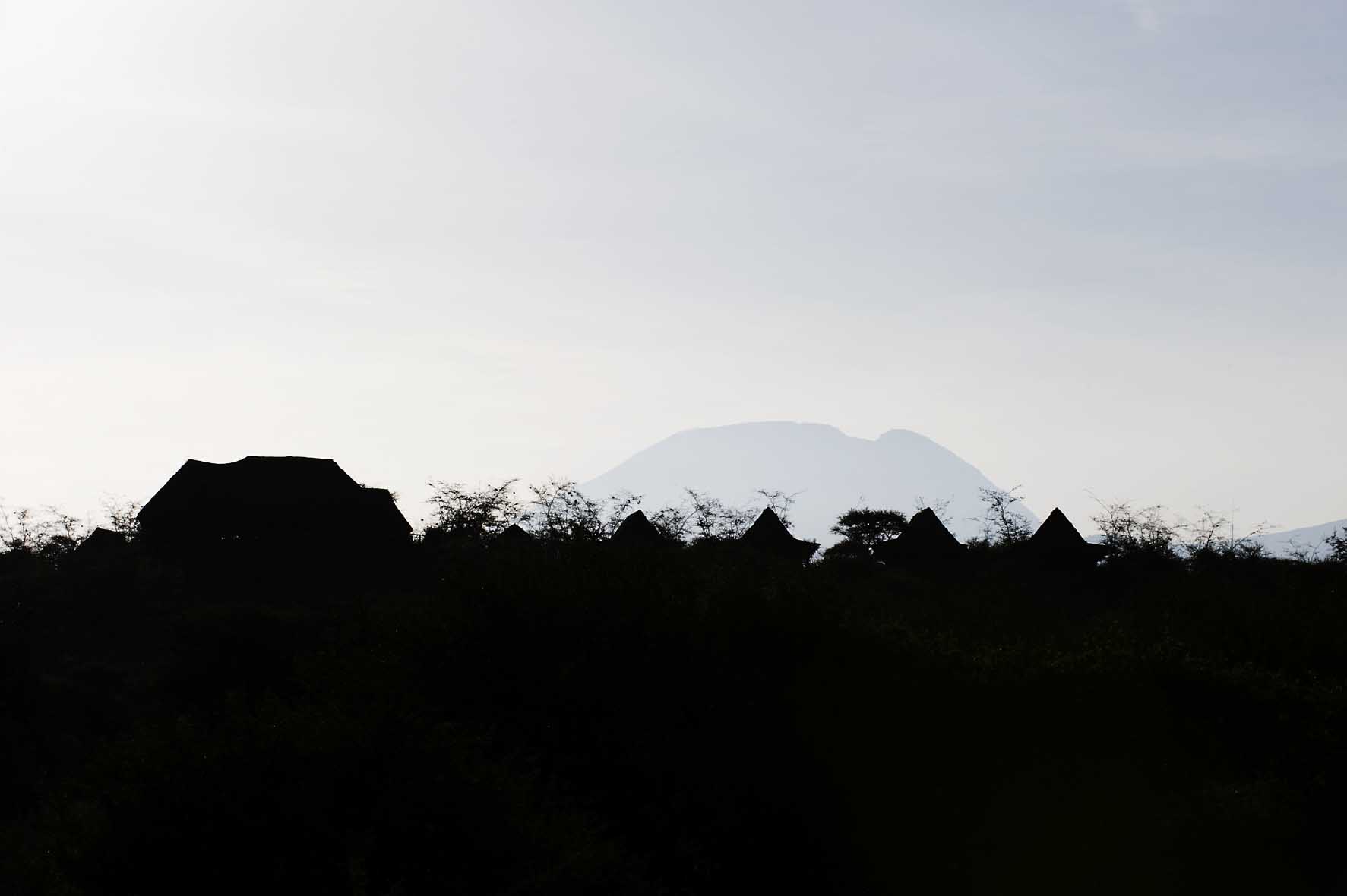
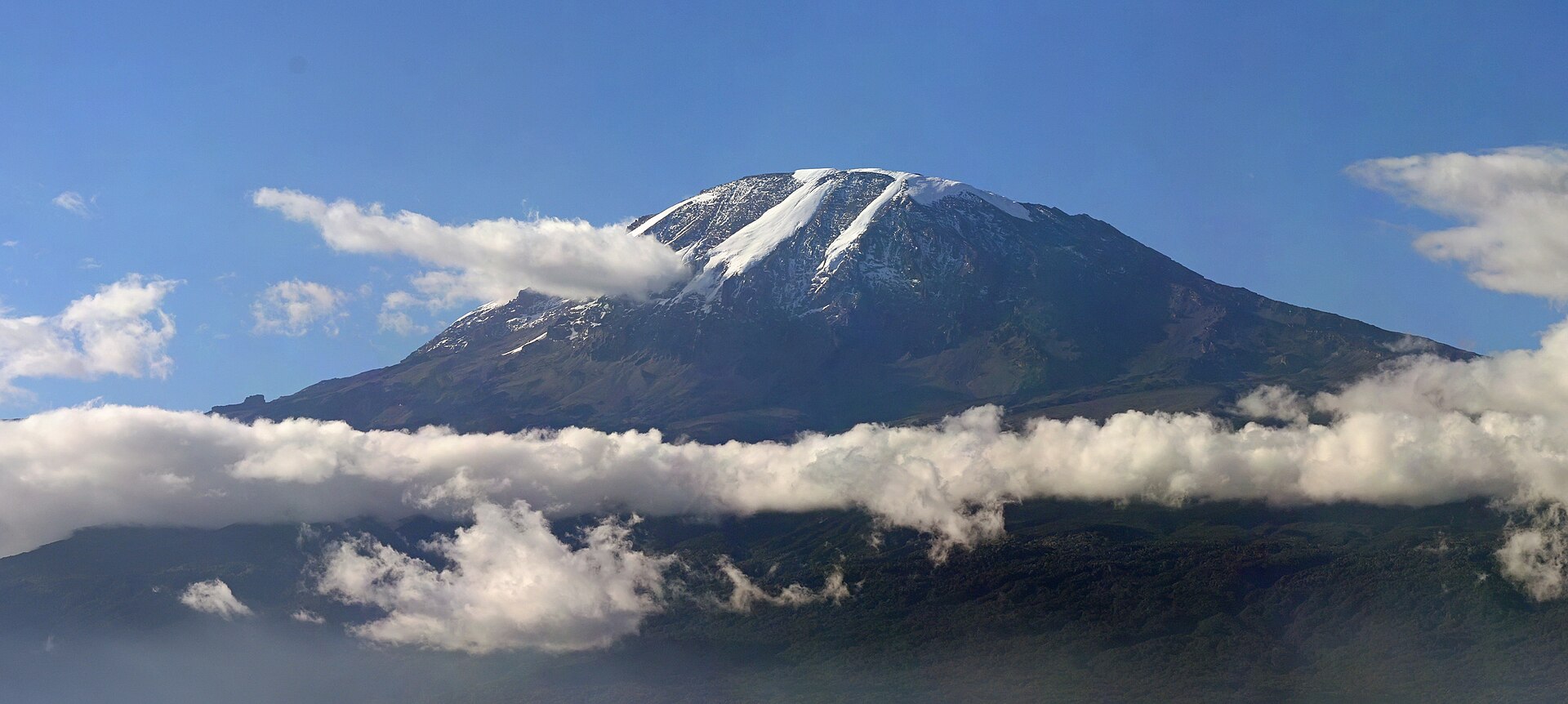
Kilimanjaro rises to 5,895 metres, the highest point in Africa and the tallest free-standing mountain in the world — not part of a range, but a single volcanic massif with three cones: Kibo, which carries the summit at Uhuru Peak, and the older Mawenzi and Shira. What makes the climb distinctive is less the altitude than the compression of climate zones: a route passes in a few days from cultivated farmland through montane rainforest, heath and moorland, high alpine desert and finally the glaciated summit zone, an ecological transect that has been compared to walking from the equator to the arctic. No technical climbing is required on the standard routes — Machame, Lemosho, Marangu, Rongai and the Northern Circuit — but altitude is the limiting factor, and success rates track closely with how many nights an itinerary allows for acclimatisation rather than with fitness alone. The mountain and its forest reserve are a UNESCO World Heritage Site.
Highlights
Best Time to Visit
January to March and June to October offer the driest conditions. June-October is peak season with the clearest views. January-March is slightly quieter. Avoid April-May (heavy rains) and November (short rains).
Budget Guide
Kilimanjaro climbs cost $2,000-6,000+ depending on route, duration, and operator quality. Budget operators from $1,800-2,500. Mid-range $2,500-4,000. Premium $4,000-6,500. Prices include park fees ($70/day), guides, porters, food, and equipment. The Machame and Lemosho routes (6-8 days) offer the best summit success rates.
Getting There
Kilimanjaro International Airport (JRO) is the gateway, with hotels and operators based in Moshi or Arusha. Trek operators arrange all transport to the gate. Most climbers combine with a safari or Zanzibar extension.